
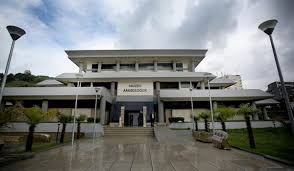
The museum displays one of the most ancient cities of Mediterranean. (Epi
damnus – Dyrrachium – Durres), inhabited uninterruptedly from the 7th century
B.C. until present. It was created with the initiative of archaeologist Vangjel Toci
in 1951 with archaeological material collected after the Second World War and
some excavations carried out in 1947-1950. In 1957 the building was enlarged
and it made possible the completion of the museum with history and natural
sciences pavilions transforming it with a general content. At the end of the 60s
it was restituted to a profiled archeological museum adding two other annexes
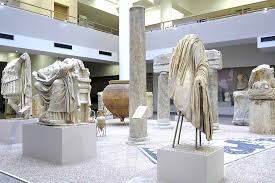
in a portico form to exhibit big objects (sculptures, relief, colonnades, columns,
sarcophagi, etc.). Annual excavations in Durrës have continuously enriched the
displays in the new building. The archeological material display respects in a
combined way the chronological, didactic and thematic criteria. It gives focused
information on the earliest periods of city life, like the pre-urban and ancient
one, and more detailed information about the classic, Hellenistic, Roman, Late
Antiquity and Middle Ages.
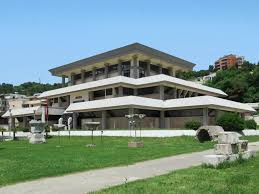
The space around the museum is preserved for big objects of stone and marble
in the form of an archeological park organized according to the periods. The new
exhibition of Durrës Archeological Museum was opened in 2002 and it represents
the biggest archaeological museum in Albania.

 Your request has been submitted successfully.



 Own or work here?