
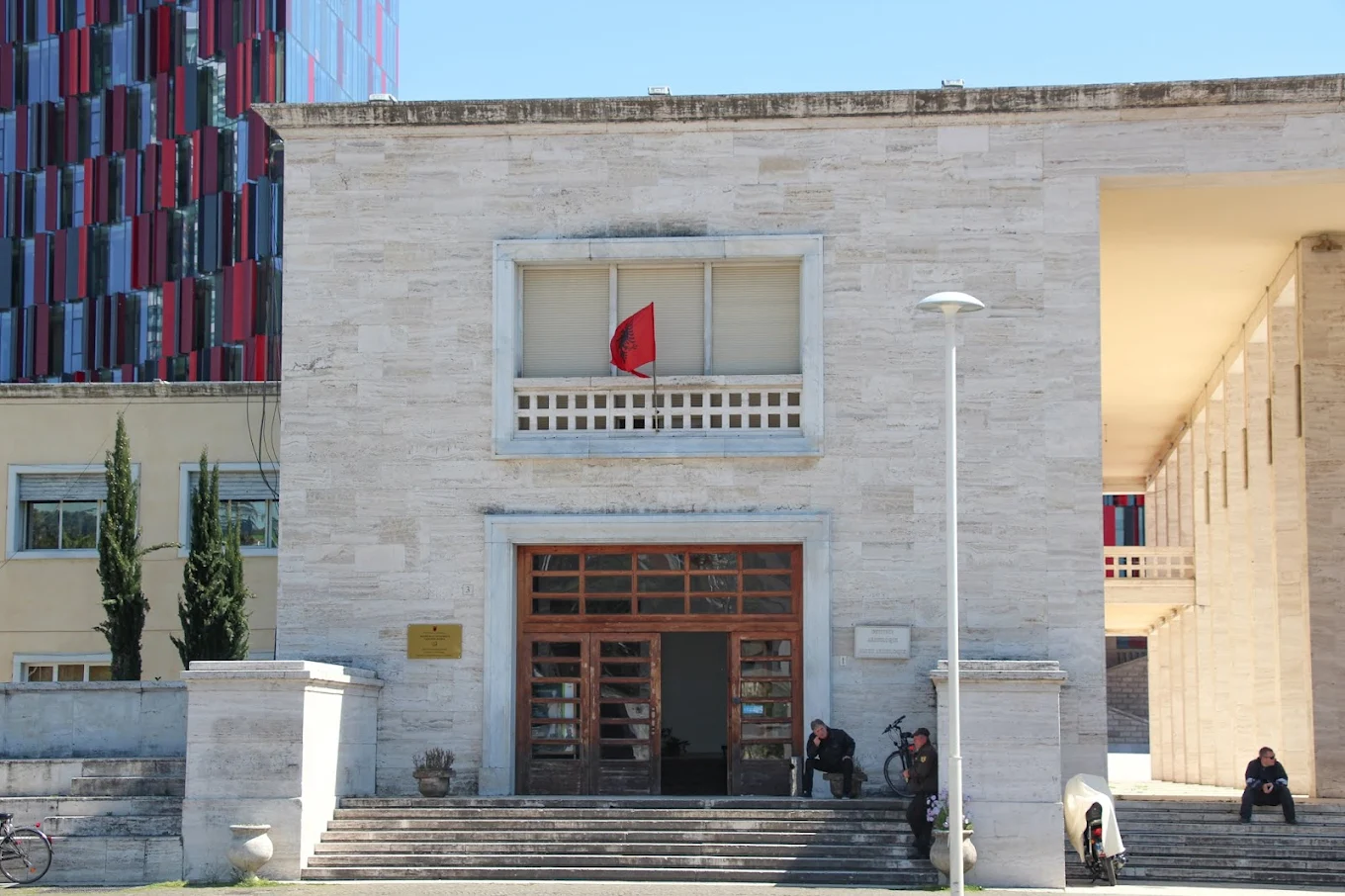
It is the first museum created after the World War II, because during this War the last museum institutions were also destroyed. It was opened on 1.11.1948 as an Archeological Ethnographic Museum and continued as such until 1976, when the ethnographic pavilion was organized as a profiled archeological museum. This museum presents the researches and archeological finds in time from the Stone Age until the metal age (bronze and iron), when the Illyrian civilization rose, antiquity and late antiquity and Middle Age until the Ottoman invasion. The intensive archaeological researches in the field of prehistory, antiquity and Middle Age in the later period, made possible a series of reorganizations and reconstructions for this museum (1957, 1976, 1982, 1985, 1998) for the further improvement of the content and display. The museum gives full information on the earliest ancient dwellings in Albania, especially on the periods when the process of Illyrian tribes’ formation takes place. It also provides summarized information on Late Antiquity and early Middle Age when the transition from Illyrians to Arbers takes place. Tirana Archaeological Museum has displayed about 2000 objects and it has a fund support of 17000, which is increased annually by the systematic archaeological finds. Tirana Archaeological Museum and the other profiles ‘archaeological’ museums are constituent part of the Archaeological Institute
Book Now
 Your request has been submitted successfully.



 Own or work here?